Parker Sutherland's Death: What We Know About the UNI Tragedy
The University of Northern Iowa (UNI) community and the wider college football world were struck by profound grief following the sudden and unexpected death of freshman tight end, Parker Sutherland. The tragic Parker Sutherland accident sent shockwaves through Iowa City and Cedar Falls, leaving countless individuals heartbroken and searching for answers. This article delves into the known details surrounding the incident, the promising life Parker lived, the questions that remain unanswered, and the profound impact his loss has had on those who knew him.
The Tragic Day: A Routine Workout Turns into a Nightmare
The fateful incident unfolded during what began as a routine Thursday morning workout for the UNI Panthers football team. Head coach Todd Stepsis recounted the chilling details, stating, "We were working out in the morning, we get right through our warm-up and in a routine, normal Thursday, and he collapsed." The sudden collapse of an 18-year-old athlete, seemingly healthy and engaged in standard team activities, immediately triggered a crisis. Emergency services were swiftly called to the football complex in Cedar Falls. According to reports, Cedar Falls public safety, fire, and emergency medical services responded under the urgent reasoning of "unconscious/fainting/non trauma." The swift arrival of first responders underscores the critical nature of the situation, but despite their efforts, Parker Sutherland tragically passed away. The unexpected nature of the Parker Sutherland accident left teammates, coaches, and staff reeling, struggling to comprehend how a normal day could turn so devastating.
Parker Sutherland: A Promising Life Cut Short
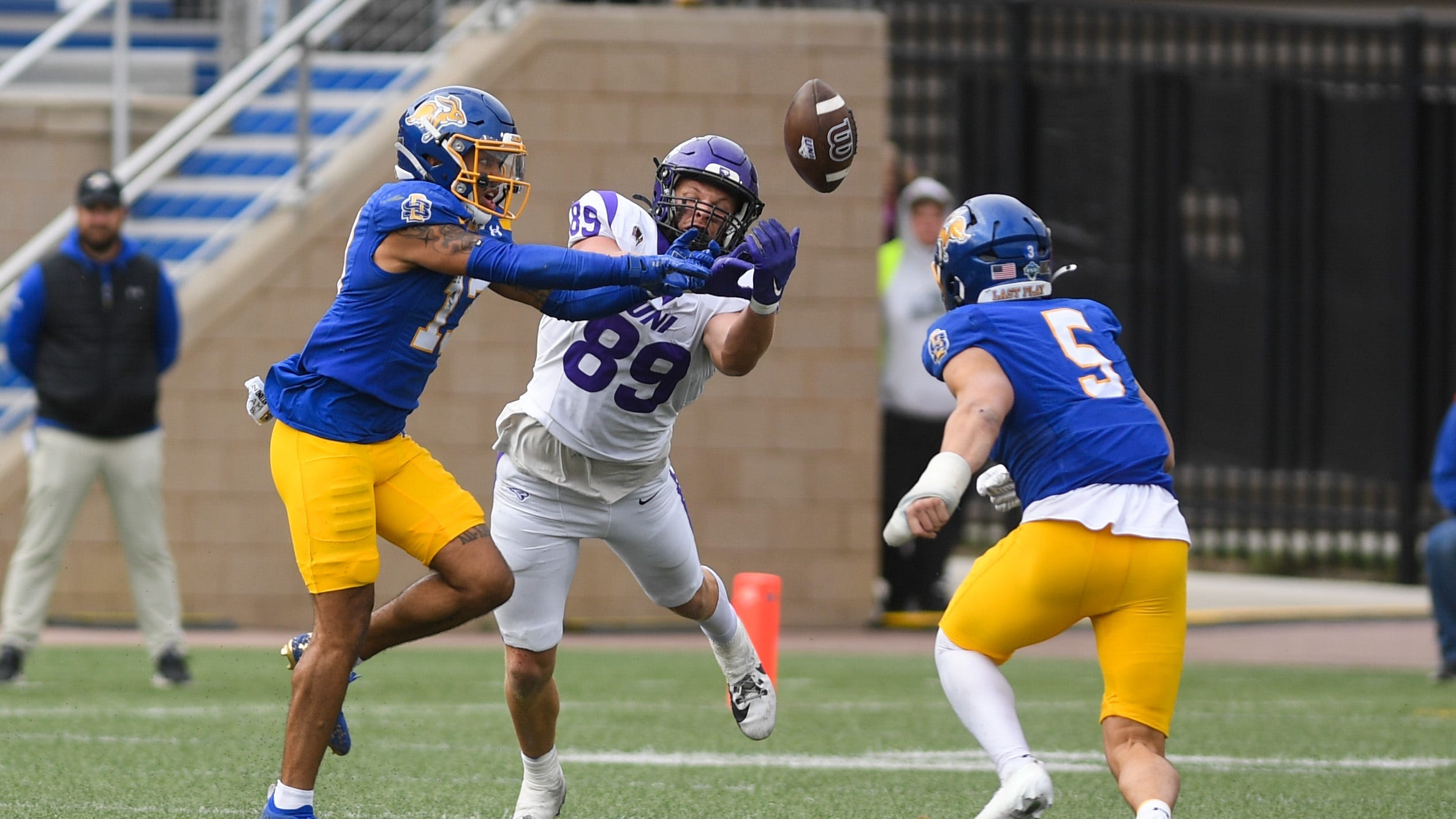
Parker Sutherland was more than just a football player; he was a vibrant 18-year-old from Iowa City, Iowa, with a bright future ahead of him. As a freshman tight end for the Northern Iowa Panthers, he had already made an impression, appearing in four games during the fall season. His potential was evident long before he stepped onto the UNI campus.
A Legacy of Excellence On and Off the Field
- High School Star: At Iowa City High, Parker was a standout athlete. He earned All-District and All-Conference honors twice, showcasing his talent and dedication. In his senior year, his exceptional performance garnered him second-team All-State recognition. His coaches and peers remembered him not just for his athletic prowess but also for his character and leadership.
- UNI Panther Spirit: Upon arriving at UNI, Parker quickly integrated into the Panther family. Coach Stepsis eloquently described him, saying, "Parker embodied everything we look for in a UNI Football Panther." This sentiment was echoed by others in the athletic department, highlighting his commitment, his passion for the sport, and his willingness to represent the university.
- Beloved Family Member: Beyond the football field, Parker was a cherished son and brother. He is survived by his loving parents, Adam and Jill Sutherland, and his sister, Georgia. The profound grief felt by his family is immeasurable, as they grapple with the sudden loss of their beloved Parker. The community's outpouring of support has been a testament to the kind of young man Parker was and the impact he had on everyone he met.
The memory of Parker's infectious spirit, his dedication to his team, and his promising future will undoubtedly live on in the hearts of those who knew him. His brief but impactful journey at UNI leaves a lasting legacy.
Unanswered Questions: The Search for a Cause
In the wake of the Parker Sutherland accident, one of the most pressing and painful aspects for his family, friends, and the wider community has been the lack of a publicly announced cause of death. While the initial reports confirmed his tragic passing after collapsing during a team workout, the medical explanation behind this devastating event remains elusive as of the latest information.
Medical investigations into sudden deaths, particularly those involving seemingly healthy young individuals, are often complex and can take time. An autopsy is typically performed to examine internal organs and tissues for any abnormalities. Further tests, such as toxicology screenings, microscopic analyses, and specialized cardiac evaluations, might also be necessary. These detailed examinations are crucial for doctors to identify conditions that may not have presented with clear symptoms previously, such as undiagnosed heart conditions, congenital abnormalities, or other underlying medical issues that could lead to sudden collapse. The goal is not only to provide closure to the family but also, in some cases, to understand potential risks for others.
The waiting period for these results can be agonizing for grieving families. The uncertainty can compound the emotional toll of loss, making it harder to process such a sudden and unexpected tragedy. While the public naturally seeks answers, it's important to respect the privacy of the Sutherland family and the thoroughness required for such sensitive medical inquiries. The UNI community, while deeply saddened, continues to await official information regarding the cause of Parker's death, hoping it might offer some clarity amidst the overwhelming sorrow. For more details on the ongoing situation, you can read Northern Iowa Mourns Parker Sutherland: Cause of Death Unannounced.
The UNI Community's Grief and Support
The news of Parker Sutherland's death plunged the University of Northern Iowa community into a state of profound mourning. The loss of a student-athlete, particularly one so young and full of promise, resonated deeply across campus and beyond. Head coach Todd Stepsis articulated the collective heartache, simply stating, "I'm heartbroken." This sentiment was echoed by UNI's athletic director, who emphasized, "It is a heartbreaking day for our Panther Athletics family with the passing of our Parker Sutherland. He embraced the opportunity to play Panther football and represent the University through sport."
In times of such tragedy, communities often rally together, and the UNI family proved no exception. Teammates, coaches, faculty, and students have come together to support one another, sharing memories of Parker and offering comfort. Grief counseling and support services are typically made available to help students and staff process their emotions and cope with the sudden loss. The bond within a sports team is often likened to that of a family, and the profound impact of losing one of their own creates a shared sense of loss and a deep desire to honor Parker's memory. This collective grief also serves as a testament to the strong community spirit Parker had been a part of and helped to foster.
Memorials, tributes, and moments of silence have undoubtedly become ways for the community to express their sorrow and celebrate Parker's life. Such gatherings provide an important space for collective healing and remembrance, allowing individuals to find solace in shared experience and mutual support. The ongoing support for Parker's family – his parents, Adam and Jill, and his sister, Georgia – remains a priority for the UNI community, ensuring they feel the embrace of a network that cares deeply. To learn more about how Parker's life and legacy are being honored, please see Remembering Parker Sutherland: UNI Panther's Life and Legacy.
Understanding Sudden Collapse in Young Athletes: Insights and Prevention
While the specific cause of the Parker Sutherland accident is yet to be announced, his tragic collapse during a workout brings to light the rare but devastating phenomenon of sudden cardiac arrest (SCA) or other critical medical events in young athletes. It's crucial to understand that these events, though statistically uncommon, can occur even in individuals who appear to be in peak physical condition.
Common (Though Rare) Causes of Sudden Collapse in Athletes:
- Hypertrophic Cardiomyopathy (HCM): This is the most common cause of sudden cardiac death in young athletes. It's a genetic condition where the heart muscle thickens, making it harder for the heart to pump blood effectively. Often, there are no symptoms until a critical event occurs.
- Congenital Heart Anomalies: Structural heart defects present from birth can sometimes go undiagnosed until they are stressed by intense physical activity.
- Coronary Artery Anomalies: In some individuals, the coronary arteries (which supply blood to the heart) are formed incorrectly, leading to inadequate blood flow during exercise.
- Arrhythmogenic Right Ventricular Cardiomyopathy (ARVC): Another genetic heart muscle disease where heart muscle tissue is replaced by fatty and fibrous tissue, disrupting the heart's electrical signals.
- Commotio Cordis: This is a rare event where a blunt impact to the chest (e.g., from a ball or another player) at a very specific moment in the heart's electrical cycle can trigger a fatal arrhythmia, even without significant damage to the heart itself.
- Heatstroke/Exertional Heat Illness: While distinct from cardiac events, severe heatstroke during intense physical activity can also lead to collapse and be life-threatening if not immediately addressed.
It's vital to reiterate that we do not know Parker Sutherland's specific cause of death, and the information above serves as general awareness about conditions that can affect young athletes.
Practical Steps for Athlete Safety and Emergency Preparedness:
The tragedy surrounding Parker Sutherland underscores the importance of rigorous safety protocols and preparedness in sports programs. While no system is foolproof, several measures can significantly reduce risks and improve outcomes:
- Comprehensive Pre-Participation Physical Exams (PPEs): Regular and thorough medical evaluations are essential. These should include detailed personal and family medical history (especially regarding sudden deaths, fainting, or heart conditions), a physical examination, and potentially an electrocardiogram (ECG) if recommended by medical guidelines or for specific risk factors.
- Recognition of Warning Signs: Athletes, coaches, and parents should be educated on potential warning signs such as:
- Fainting or near-fainting during exercise.
- Unexplained chest pain or discomfort during exertion.
- Unusual shortness of breath or excessive fatigue during physical activity.
- Palpitations or a sensation of a racing heart.
- Dizziness or lightheadedness.
- Emergency Action Plans (EAPs): Every athletic facility should have a clear, rehearsed Emergency Action Plan. This plan details who does what, where emergency equipment is located (like AEDs), and how to contact emergency services promptly.
- Availability of Automated External Defibrillators (AEDs): AEDs are critical life-saving devices for sudden cardiac arrest. They should be readily accessible, well-maintained, and personnel trained in their use. Early defibrillation significantly increases survival rates.
- Trained Personnel: Coaches, athletic trainers, and staff should be certified in CPR and first aid. Athletic trainers, in particular, play a crucial role in immediate care and activation of emergency services.
- Hydration and Acclimatization Protocols: Especially in warm weather, proper hydration, gradual acclimatization to heat, and monitoring for signs of heat illness are essential to prevent heat-related emergencies.
While the circumstances of the Parker Sutherland accident are devastating, they serve as a stark reminder of the continuous need for vigilance, education, and preparedness in safeguarding the health and well-being of all young athletes.
The untimely death of Parker Sutherland remains a somber event for the University of Northern Iowa and all who knew him. As the UNI community grapples with the profound grief and the unanswered questions surrounding the Parker Sutherland accident, his memory continues to inspire remembrance and reflection. His promising life, cut tragically short, underscores the preciousness of every moment and the deep impact individuals can have on their communities. While the official cause of death is still awaited, Parker's legacy as a dedicated athlete, a cherished son and brother, and a beloved Panther will forever be etched in the hearts of those who mourn his loss. Our thoughts remain with the Sutherland family and the entire UNI community during this incredibly difficult time.